Select Fill & Dirt Sales
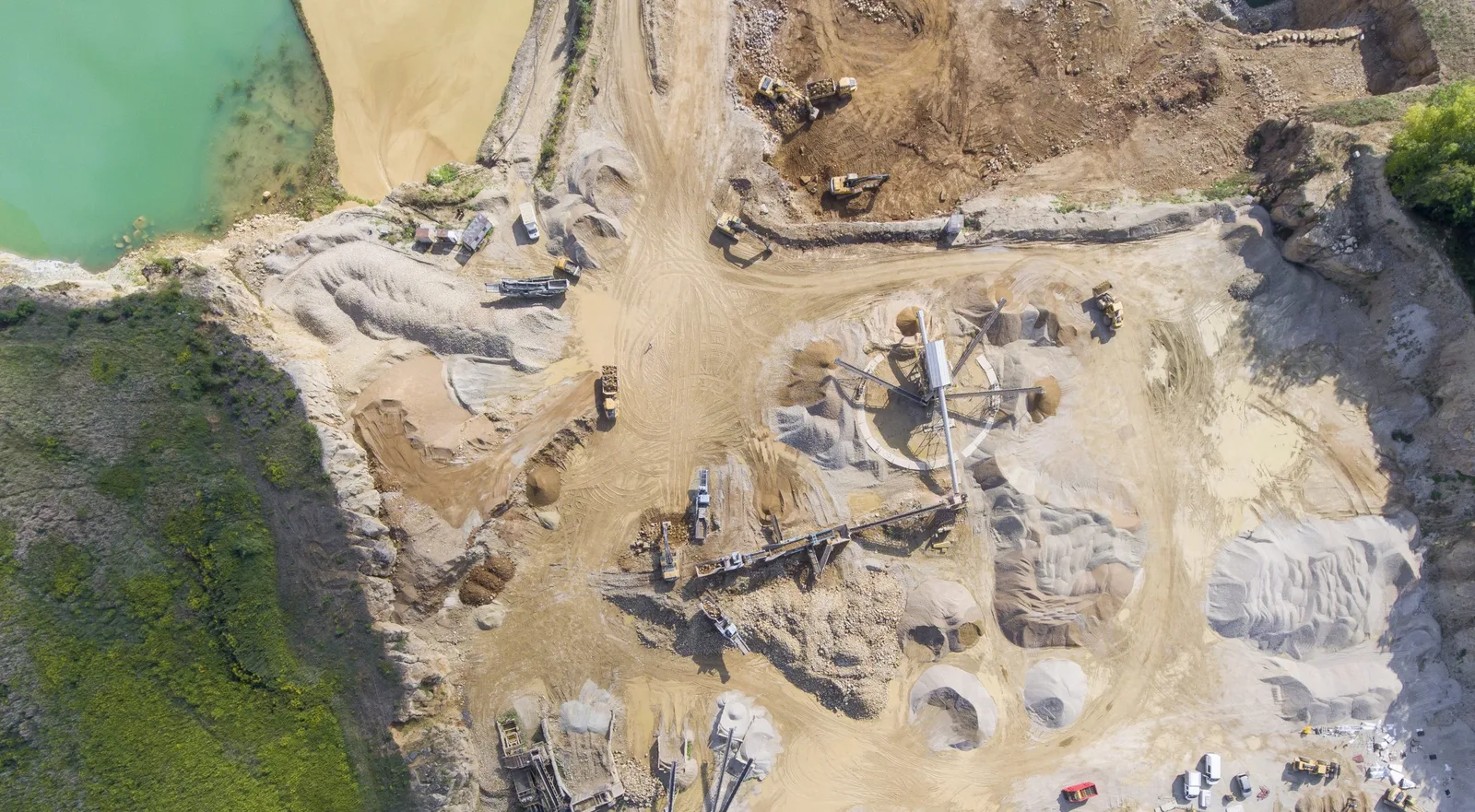
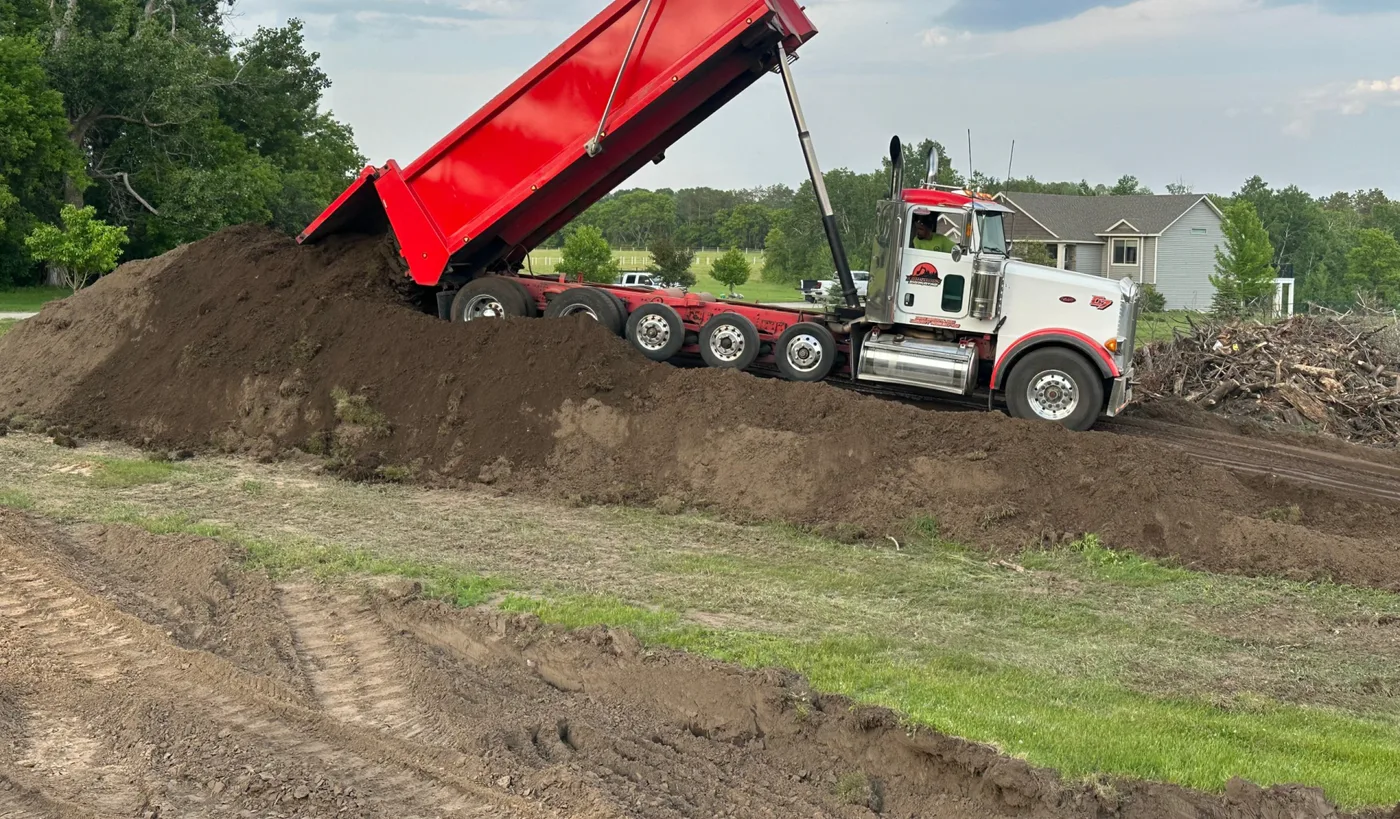
Select fill, fill dirt, bank sand and sandy loam from two pits we own in Fort Bend County. We sell by the truckload and deliver on our tandem dump trucks.
View Details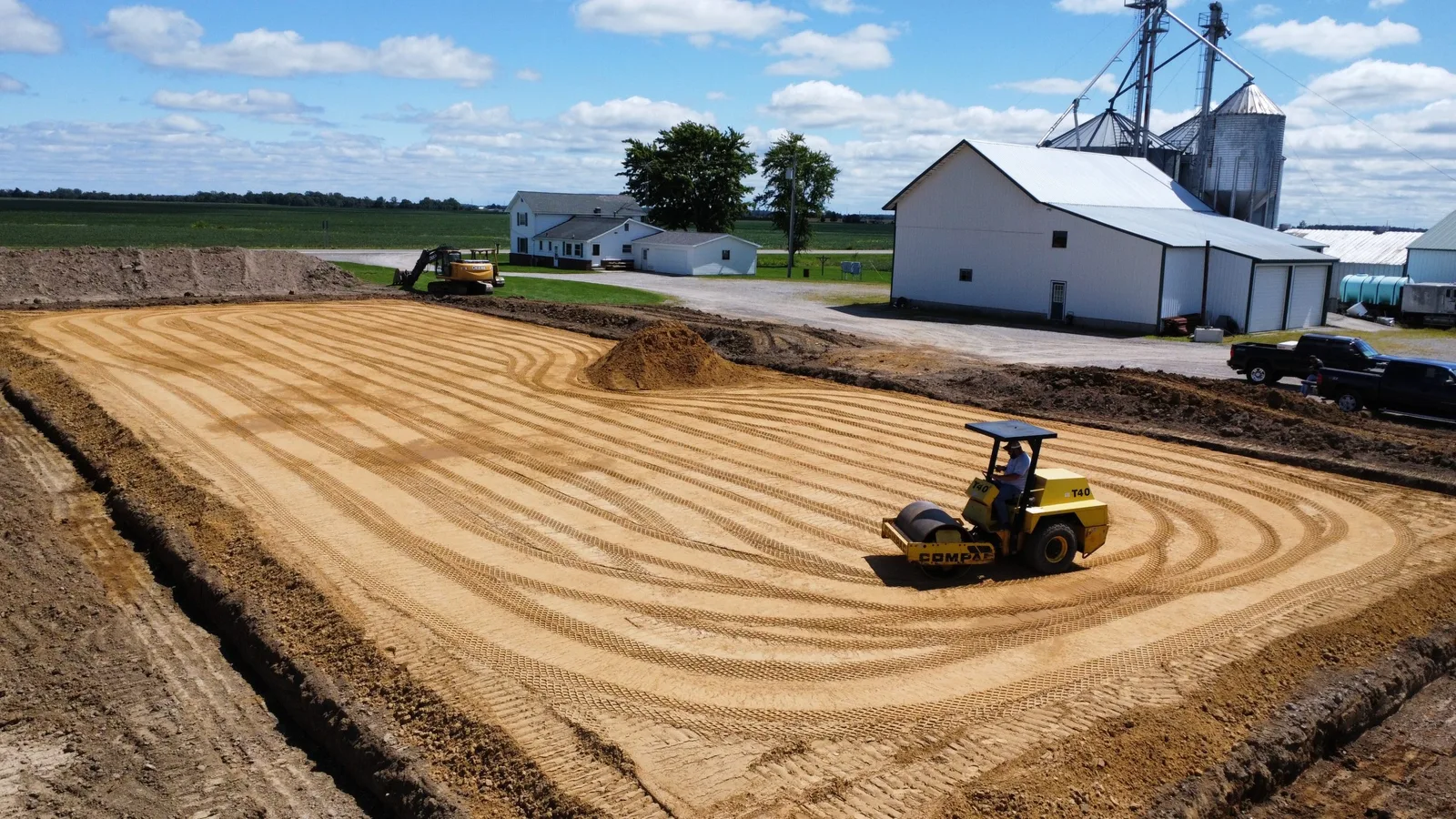
RLS Land Solutions builds house pads and handles site prep on acreage around Needville and across Fort Bend County. We clear the footprint first, then strip off the soft topsoil that will not carry a slab. Select fill comes out of our own sand and dirt pits in southeast Fort Bend County. Our tandem dump trucks bring it in, and big excavators and dozers spread it across the footprint. We build the pad up in lifts and compact each one before the next goes down. When we pull off the job, the pad sits at the elevation your builder called for.
The work runs from a single house pad on a ranch to a full commercial pad site. We build barndominium and shop pads, cut and prep pool sites, and set pads for metal buildings. We have also done thousands of acres of utility-scale solar site work. One recent job was the dirt work on a data center project near Blessing. Our smallest excavators are in the 50,000 pound class, and we run a fleet of tandem dump trucks. The family has been doing this work out of Needville for 15 years.
Tell us about your project — we’ll get right back to you.
Every pad starts with the ground under it. We clear the footprint and any room the equipment needs around it. Then we strip the topsoil, roots and soft clay, because that material moves when it gets wet. On a lot of Fort Bend and Brazoria ground, that means a foot or more of black dirt. The strippings get loaded out and hauled off in our own trucks. What is left is a firm bottom that the fill can bond to. Skipping this step is why pads settle and slabs crack later.
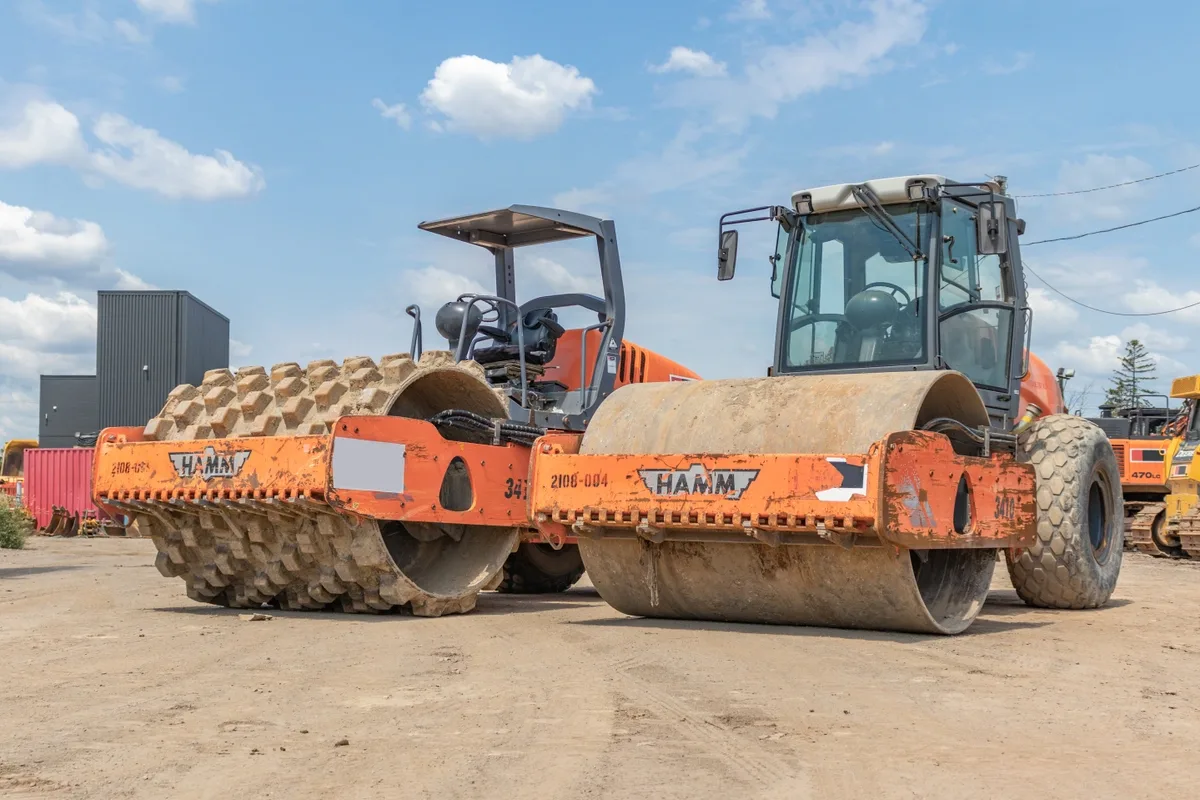
Then the select fill starts moving. Our trucks run it in from the pit and dump it inside the footprint. We spread it in lifts and work the whole footprint one layer at a time. Each lift gets watered if it is dry, then compacted before the next one goes on. That is what keeps a pad from settling in one corner two years later. We check elevation as we go, so the top of the pad lands where the plan says. The last passes shape the pad edges and set the slope so water runs off.
Most of the country southwest of Houston is flat. Water does not run off fast, and the clay holds it. When a heavy rain comes through, low ground stays wet for days. That is why most houses out here sit on a pad built up above the surrounding grade. The pad gives the slab a dry, firm base and gives water somewhere to go. How high it needs to come up depends on the lot, the survey and what the builder or engineer specifies. Some pads come up a foot. Others come up three feet or more.
Building a pad up takes fill, and fill takes trucks. Every extra foot of height adds a lot more loads. That is where owning the pits pays off for the customer. The material comes off our own ground and moves on our own trucks. We keep loads rolling instead of waiting on a supplier to schedule us in. On big jobs we will run more than one shift. We have run dirt around the clock when the schedule called for it. The pad gets to elevation without the site sitting idle between deliveries.
Commercial pad sites come with a plan and a set of numbers. We build to those dimensions and elevations the same way we build a house pad, just bigger. Some sites take weeks of hauling and hundreds of loads before the pad is at grade. We have done thousands of acres of site work on utility-scale solar projects. We also did the dirt work on a data center project near Blessing. Jobs like those run on a schedule the general contractor sets, and we staff to hit it. Our minimum project size is around ten thousand dollars, so we are built for that volume.
Pool site prep is its own kind of job. We dig the cut for the pool, load the spoil out and haul it off in our own trucks. We open up access so the pool crew can get their equipment to the hole. On acreage, that often means cutting a path across soft ground first. Shop and barndominium pads work the same way as a house pad. The footprint gets cleared and stripped, then built up with select fill and compacted to the elevation you want. A big metal building on soft ground needs a real built pad under it.
Free, no-obligation estimates across Needville & Southwest of Houston.
(281) 750-6510From the first look at the ground to the last pass of the grade, here is exactly how it goes.
We meet you at the property and read the job off the ground itself: what is growing, where water sits, how trucks and excavators get in. Big dirt work prices off what is really out there.
You get a free quote with a real number and a real plan: what gets dug or cleared, how many loads move, where the dirt comes from or goes. It holds unless the scope changes.
The equipment shows up when we said. Excavators dig, trucks run in rotation, and on deadline jobs we run shifts around the clock until the volume is moved.
The last pass matters as much as the first load. Pads compacted and holding elevation, ponds shaped and ready for water, ground graded so it drains. We look at the finished work with you before we leave.
Common questions about site prep & pads across Needville & Southwest of Houston. Don't see yours? Give us a call — we're happy to help.
Select fill, fill dirt, bank sand and sandy loam from two pits we own in Fort Bend County. We sell by the truckload and deliver on our tandem dump trucks.
View Details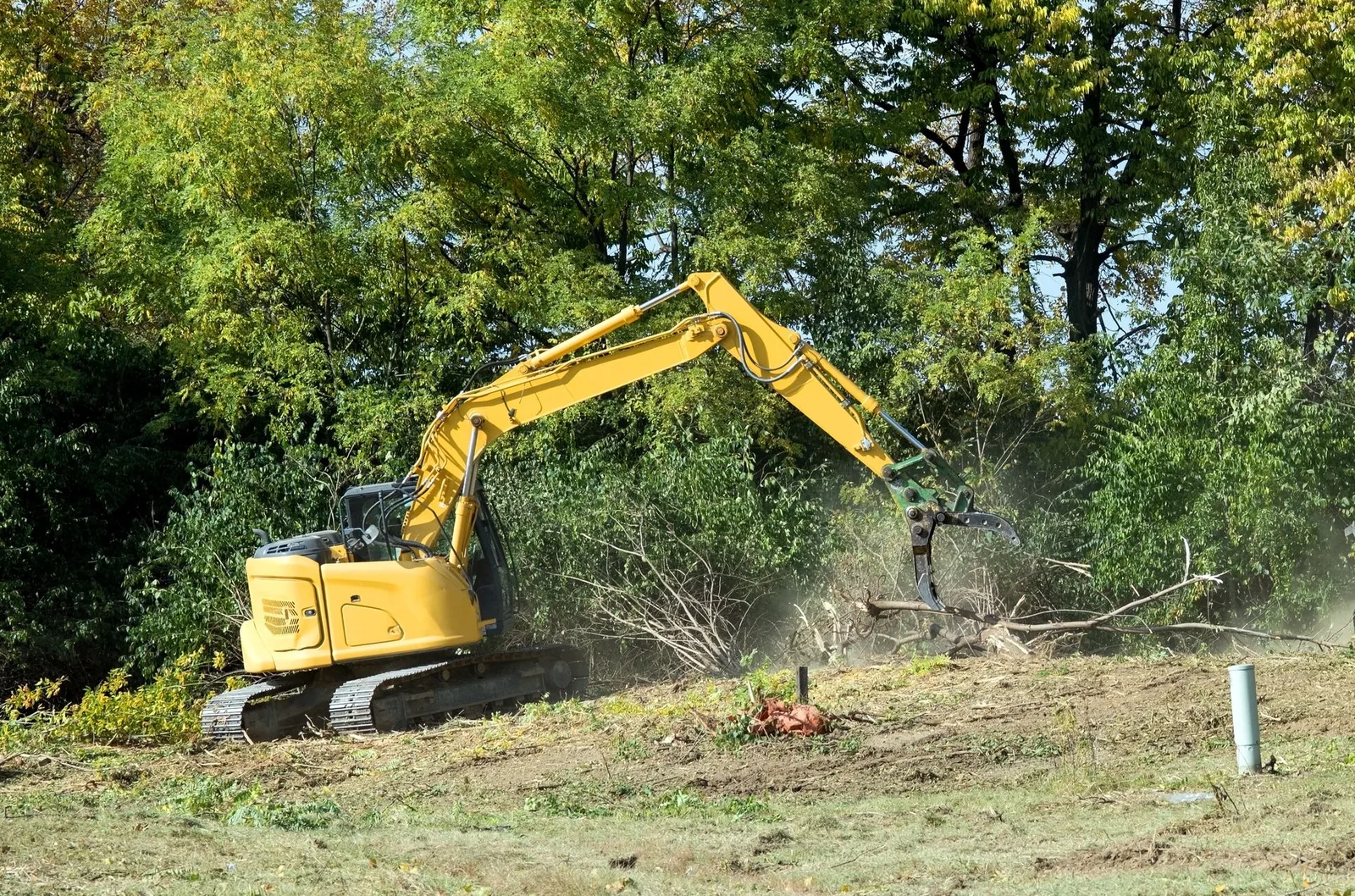
We clear acreage with 50,000 pound excavators and haul the debris to our own dump site. Trees come out with the roots attached.
View Details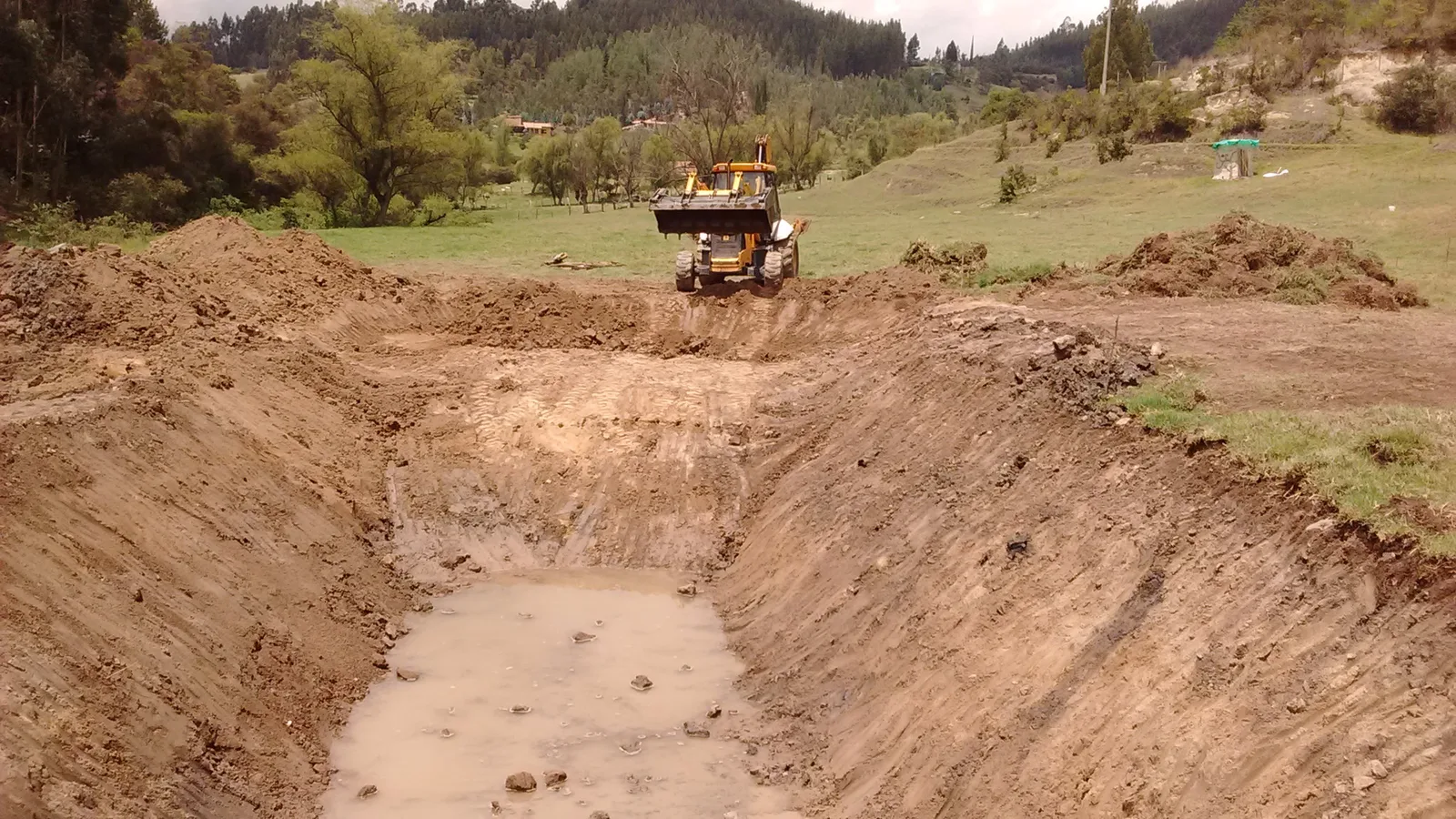
Stock tanks, fishing lakes and dam work on ranch land southwest of Houston. Big excavators, and the dug dirt goes to work on your place or back to our pits.
View Details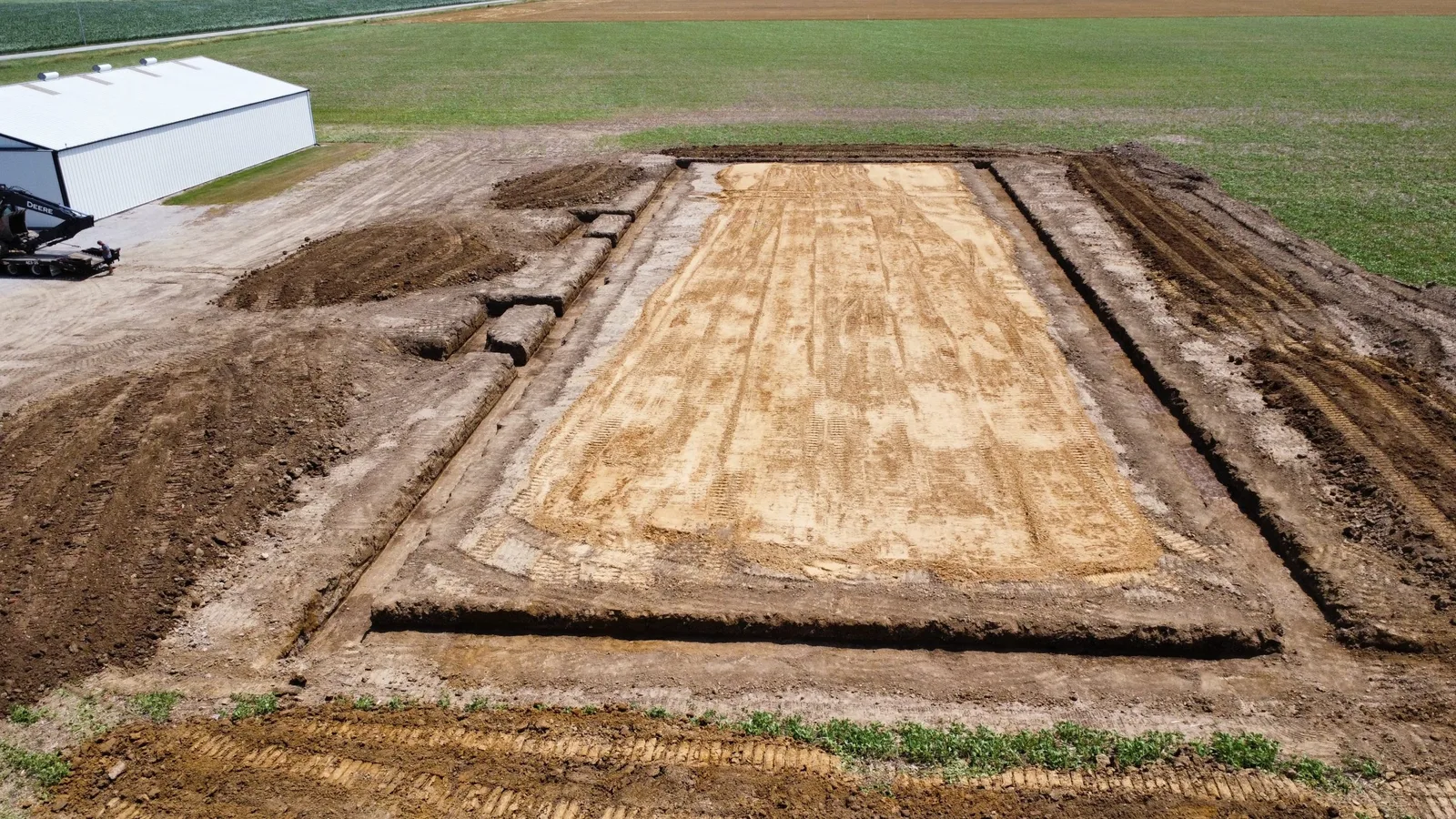
Heavy machine dirt work and grading for acreage, ranches and commercial ground across Fort Bend County. We cut, fill, level and set drainage.
View Details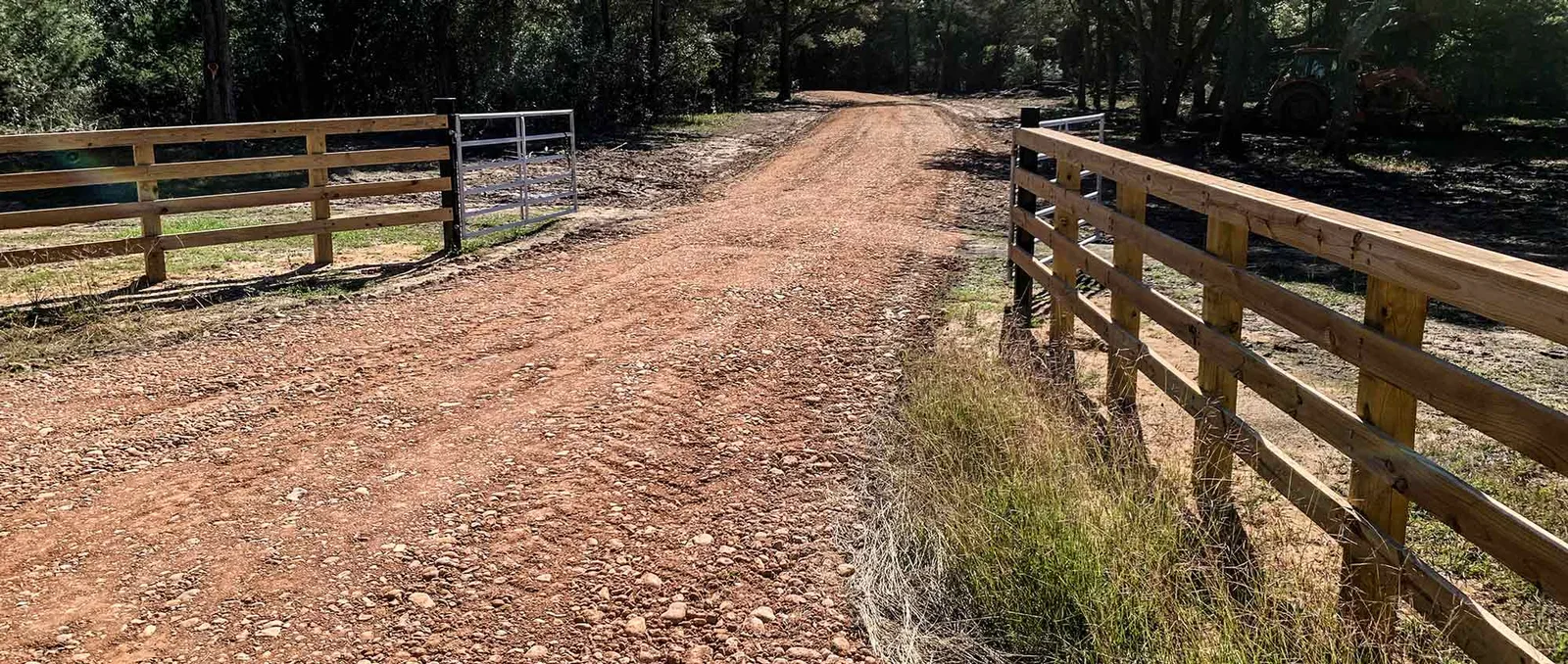
Ranch roads and road base built to the right depth for the traffic, on a crowned and compacted subgrade.
View Details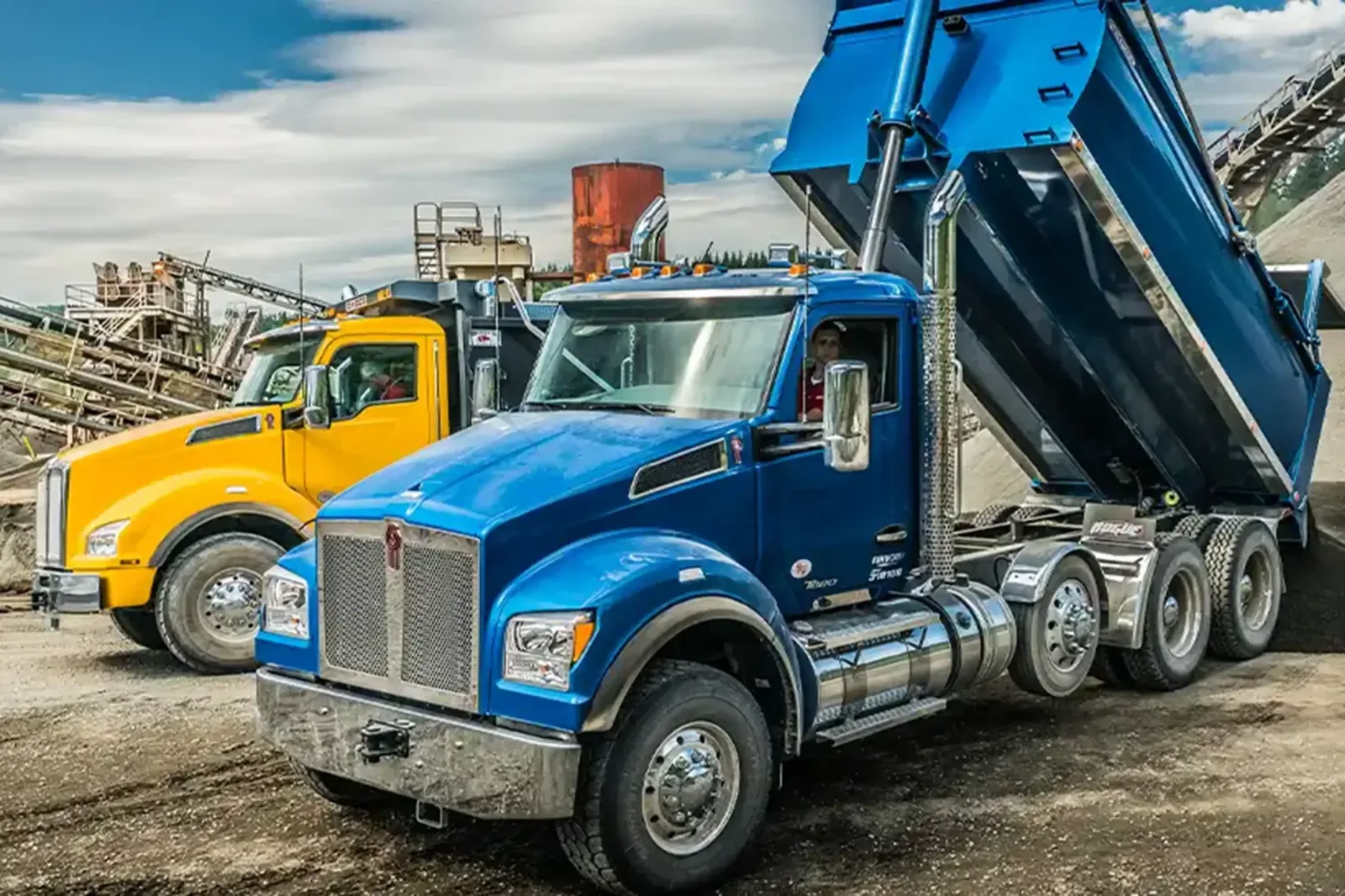
Our own tandem dump trucks handle dirt hauling and material hauling, by the load or by the hundreds of loads. We run Fort Bend County and the counties southwest of Houston.
View DetailsTwo sand and dirt pits in southeast Fort Bend County. Select fill, bank sand and fill dirt come from our own ground, on our own trucks, when your schedule needs them.
Our smallest excavators weigh 50,000 pounds. Ponds, pads, clearing and volume dirt work get machines sized for the job, backed by a fleet of tandem dump trucks.
Hundreds of loads on one project is a normal week here. We run shifts around the clock when a deadline calls for it, and the job is priced from the site, not a phone guess.
Fifteen years working this ground, most of it repeat and referral. We know what the coastal prairie clay does when it rains and what it takes to build on it.
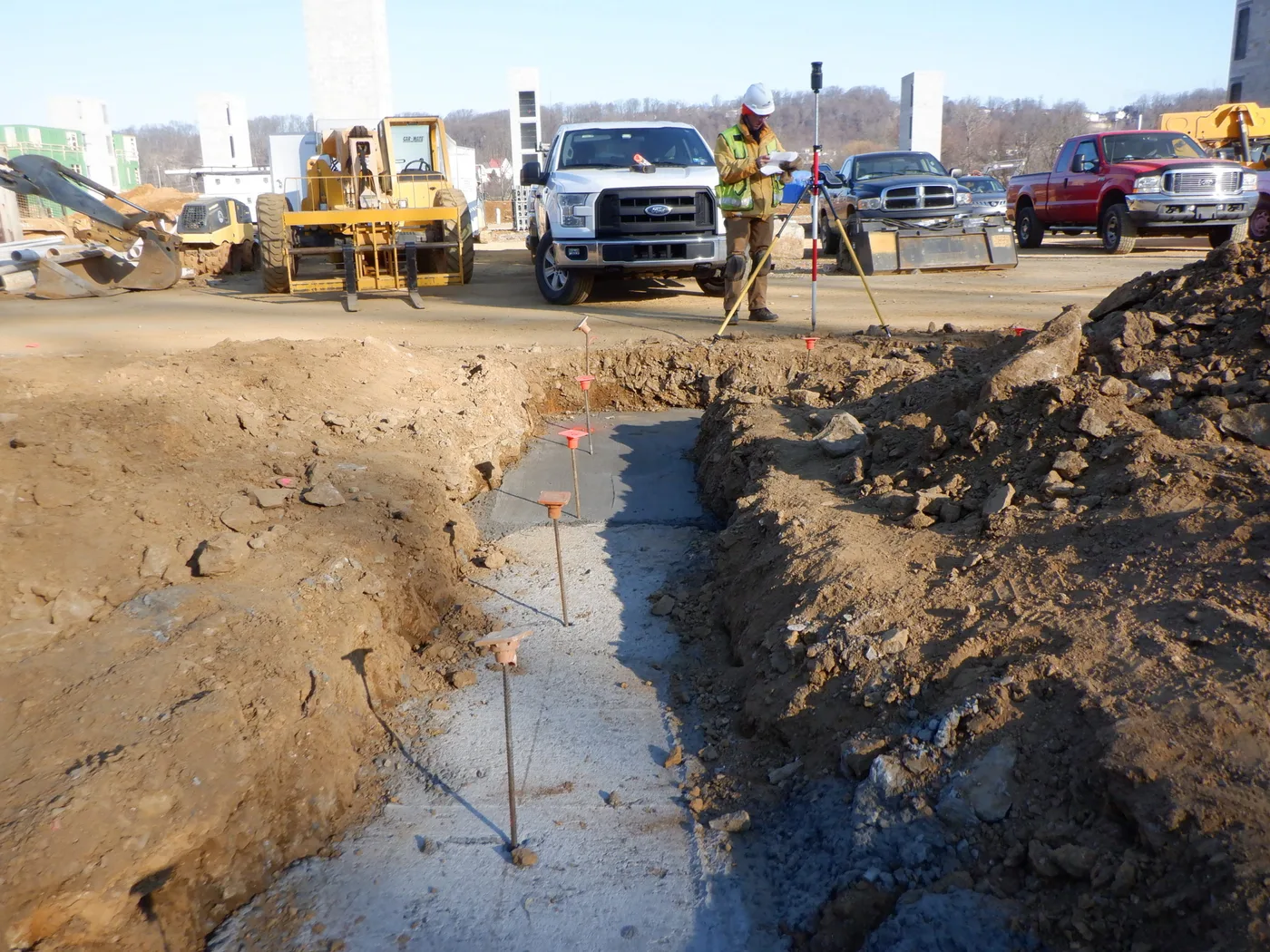
What a house pad costs around Houston: the select fill volume a real pad takes, why trucking is half the bill, and the Fort Bend County rules that shape it.
Read more →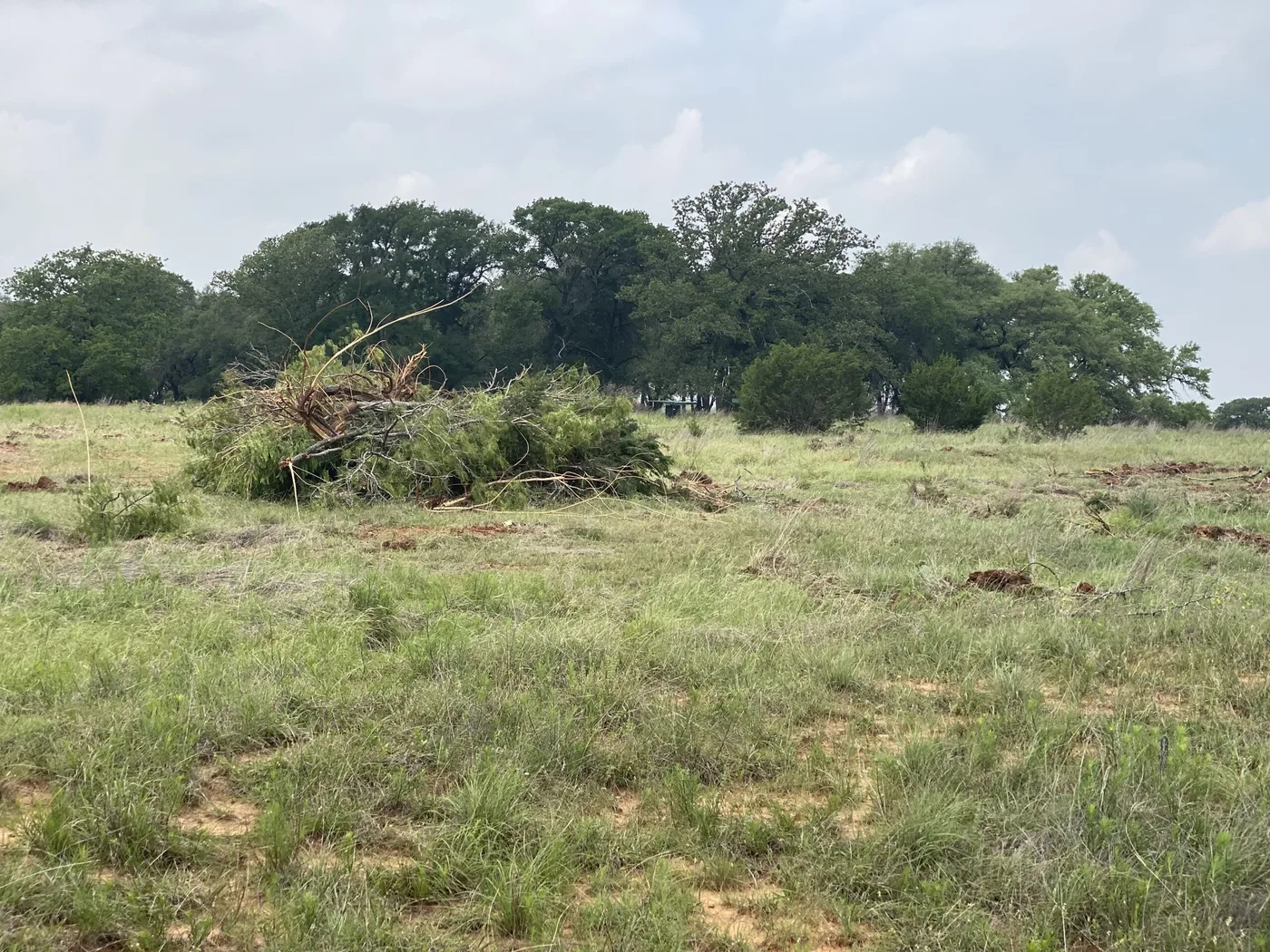
What land clearing costs per acre in Texas and the Houston area, how mulching and roots-out excavator clearing differ in price, and why the cheap acre can cost more later.
Read more →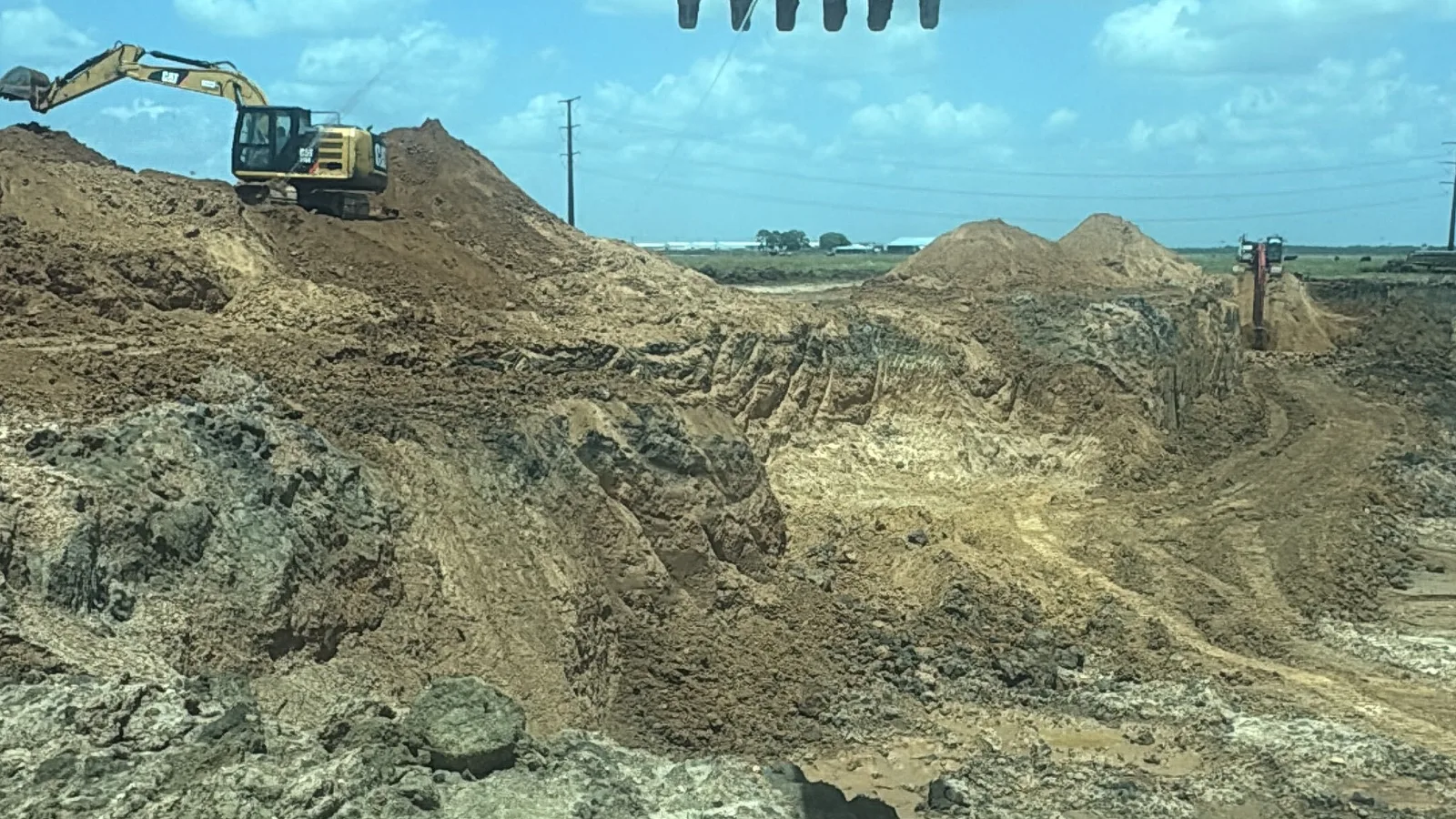
Select fill explained in plain language: the low-plasticity sandy clay Houston engineers spec under slabs and pads, what the PI numbers mean, and how it is placed.
Read more →A pond you have been putting off, a pad that needs building, land that needs clearing, or a job that needs truckloads of select fill? Call or send the form. Tell us where the property is and what you want the land to do, and we will set a time to come look at it.
Tell us about your project — we’ll get right back to you.