Select Fill & Dirt Sales
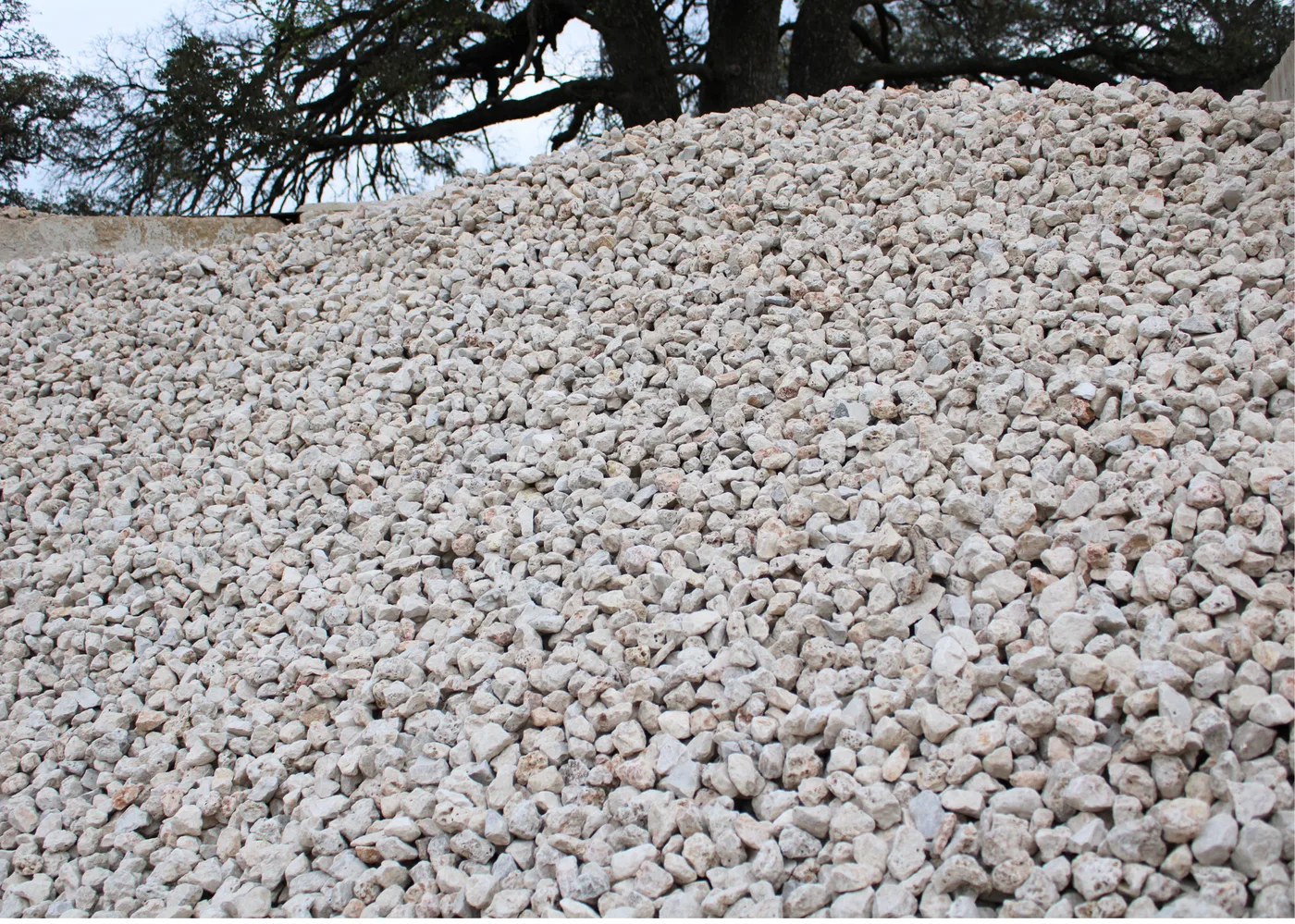
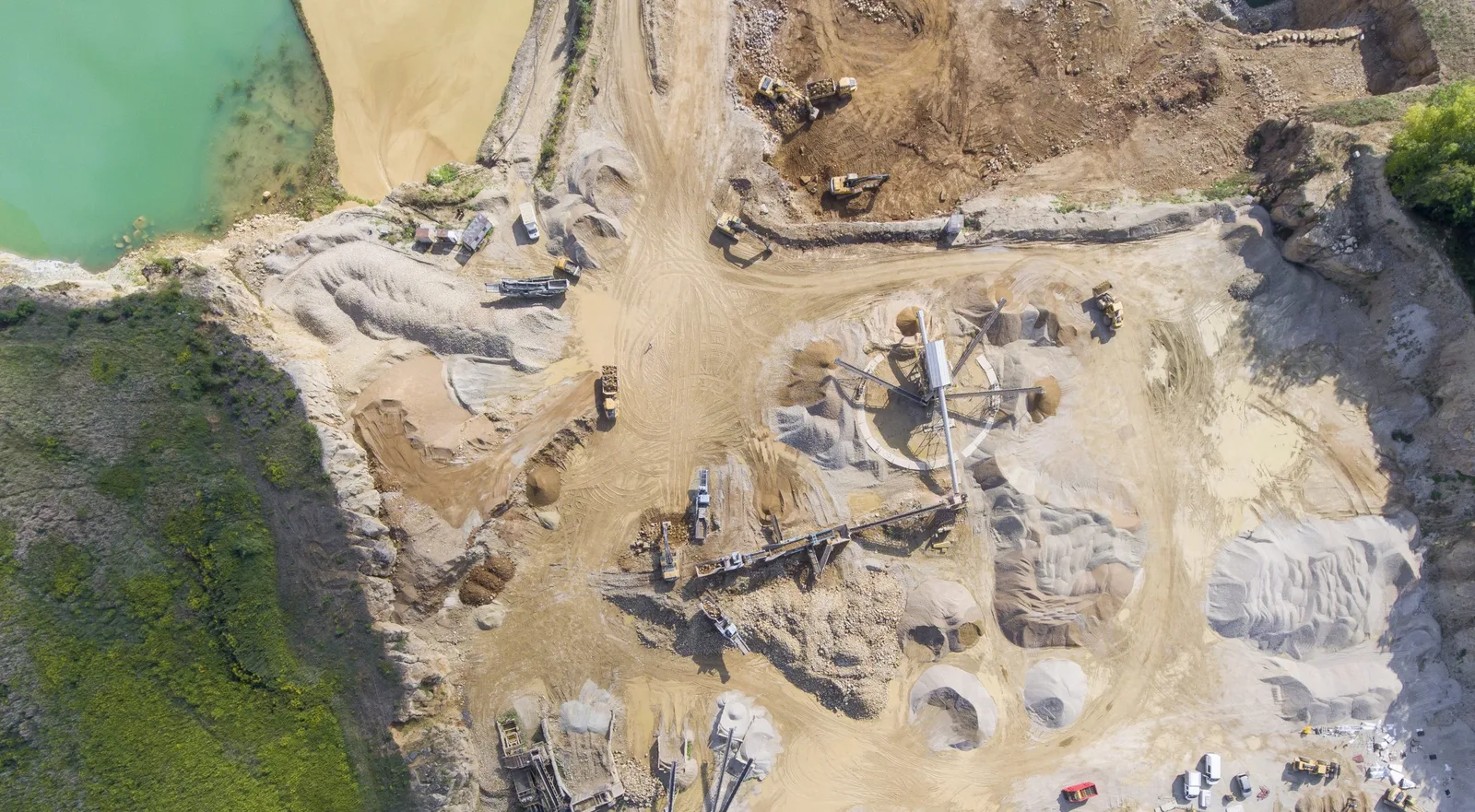
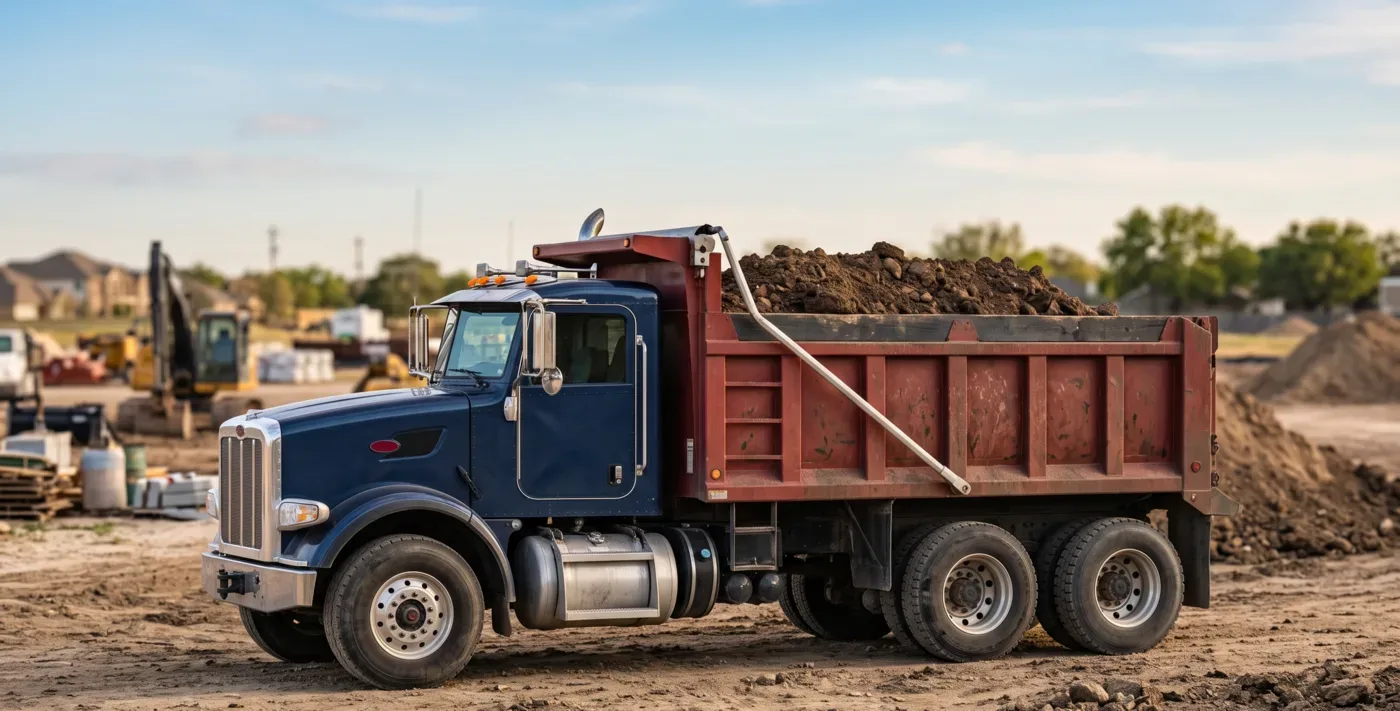
Select fill, fill dirt, bank sand and sandy loam from two pits we own in Fort Bend County. We sell by the truckload and deliver on our tandem dump trucks.
View Details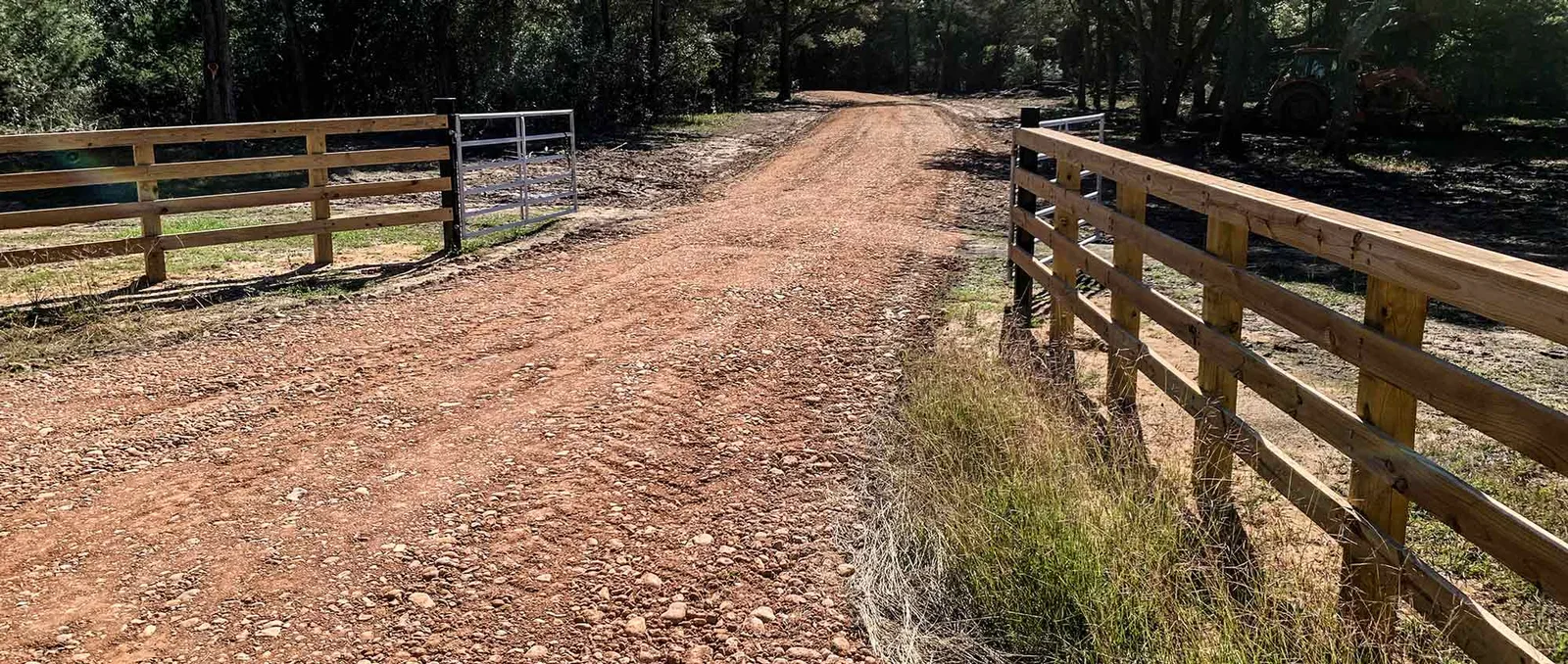
We build ranch roads across Needville and southeast Fort Bend County, from the front gate to the back pasture. A road that holds up out here starts below the surface. Our crews shape and crown the subgrade first, so rain sheds off the driving lane. Then we build the base up in compacted lifts and check the thickness as we go. The top course gets matched to the traffic, because a ranch truck and a loaded tandem load a road differently. We haul the material on our own trucks, so the base and the machines land on site together.
The clay in this country gets soft when it stays wet. Drainage and base thickness decide how long a road lasts out here. A crowned lane with ditches that move water will outlast a thicker road that holds puddles. We size the section to the job, from ranch entrances and pasture roads to long acreage driveways. Pit and site access roads get the heaviest build, since loaded trucks run them all day. On a job with a deadline, we run shifts around the clock. On lanes that take that kind of traffic year round, we also pour concrete.
Tell us about your project — we’ll get right back to you.
Every road starts with the subgrade. We strip the soft top material and shape the driving lane with a crown down the middle. The crown pushes water to the sides instead of down the wheel tracks. Ditches or turnouts carry that water off the road and away from the base. Then we compact the subgrade before any rock goes on it. A base built on soft ground pumps and ruts within a season, no matter how much rock sits on top. Culverts go in where a low spot or a draw crosses the route.
With the subgrade right, we build the base up in lifts. Each lift gets spread to a set depth and rolled tight before the next one goes down. Building it in layers is what gets compaction all the way through the section. Depth depends on the traffic and the ground under it. A pasture road that sees a pickup and a trailer needs less than a lane hauling loaded tandems. We finish with a top course matched to the use and grade it smooth. Where a road ties into a county road or a gate, we build that entrance to handle turning trucks.
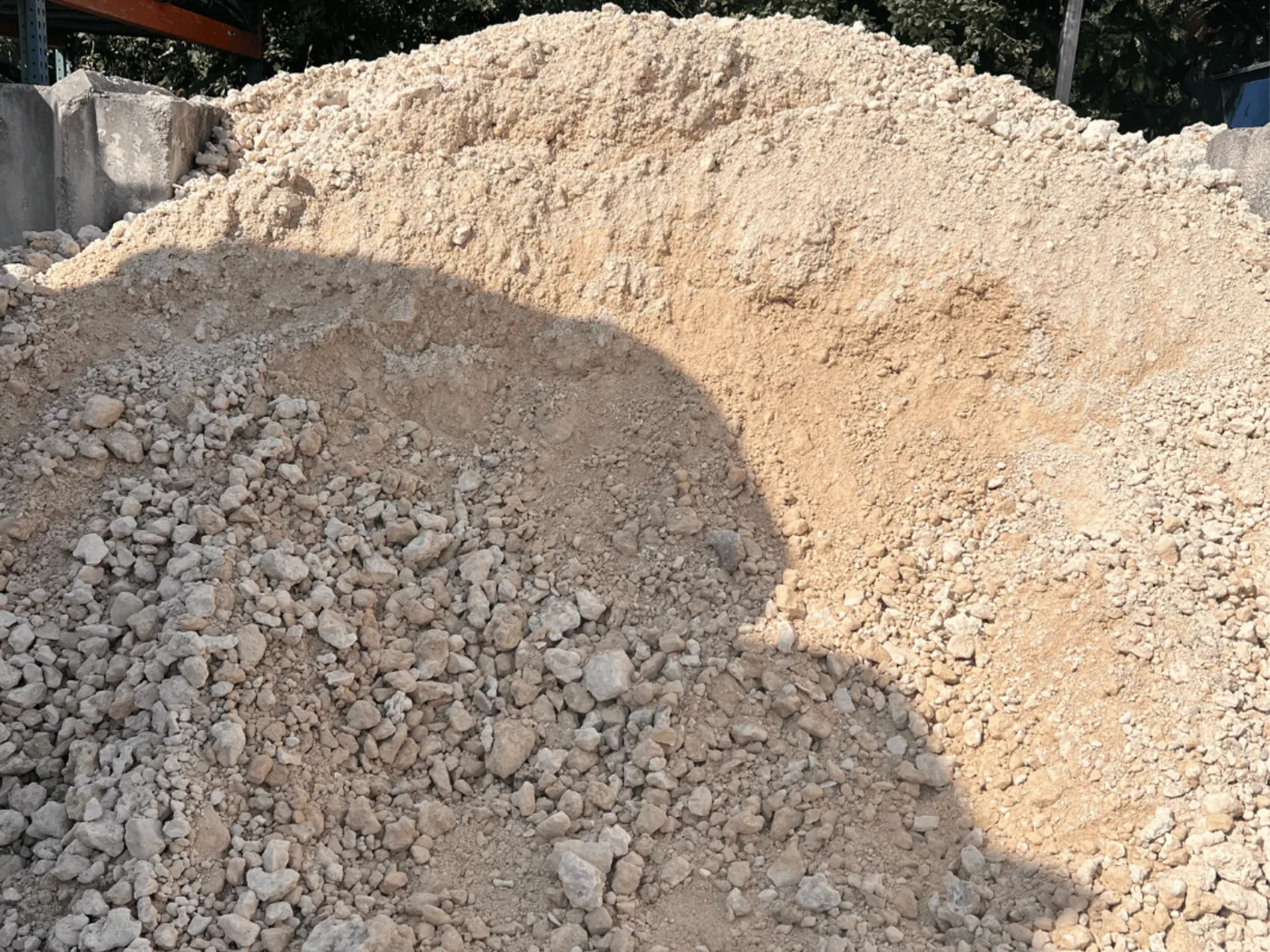
The ground here is Gulf Coast clay. It holds water, and it gets soft when it stays wet. That is the reason road base thickness matters more here than it does on sandy ground. We build up low sections with stabilized select fill and sand out of our own pits. That material gets placed and compacted the same way, in lifts, until the road sits above the water. Then the purchased base rock goes on top of a subgrade that is already solid. We haul all of it in on our own trucks.
Limestone base locks up hardest and holds a crown, so it suits roads that carry loaded trucks. It packs tight and sheds water once the lane is shaped. Crushed concrete costs less per load and does well on yards and access roads. It has sharp edges that key together, though the sizing runs less consistent than quarry rock. Caliche is the traditional ranch driveway material and it drives soft and quiet. It works when it is crowned, but it washes on steep runs and in hard rain. We match the material to the road before we order loads.
Some lanes take heavy traffic every day of the year. A ranch entrance, a feed lot approach, or the drive into a shop yard gets worked hard. On those runs, gravel needs regrading and fresh rock again and again. We pour concrete on lanes like that instead. Concrete is cheap insurance on a road you cannot afford to have rutted out. It costs more up front, and it holds up under loads that chew gravel apart. The base work under it matters just as much. We prep and compact the subgrade first, the same way we do for a gravel road.
We pour concrete roads and lanes for ranches and industrial yards. That covers entrances, turnarounds, and the yard drives that loaded trucks run every day. Our concrete work is private road work on ranches, yards and job sites. Many jobs use both, with concrete on the section that takes the abuse and base rock on the rest. That keeps the cost down and puts the hard surface where the wear happens. We can also come back and concrete a section later, once the base road has settled in. Either way the drainage plan stays the same, because water is what takes a road apart.
Free, no-obligation estimates across Needville & Southwest of Houston.
(281) 750-6510From the first look at the ground to the last pass of the grade, here is exactly how it goes.
We meet you at the property and read the job off the ground itself: what is growing, where water sits, how trucks and excavators get in. Big dirt work prices off what is really out there.
You get a free quote with a real number and a real plan: what gets dug or cleared, how many loads move, where the dirt comes from or goes. It holds unless the scope changes.
The equipment shows up when we said. Excavators dig, trucks run in rotation, and on deadline jobs we run shifts around the clock until the volume is moved.
The last pass matters as much as the first load. Pads compacted and holding elevation, ponds shaped and ready for water, ground graded so it drains. We look at the finished work with you before we leave.
Common questions about ranch roads across Needville & Southwest of Houston. Don't see yours? Give us a call — we're happy to help.
Select fill, fill dirt, bank sand and sandy loam from two pits we own in Fort Bend County. We sell by the truckload and deliver on our tandem dump trucks.
View Details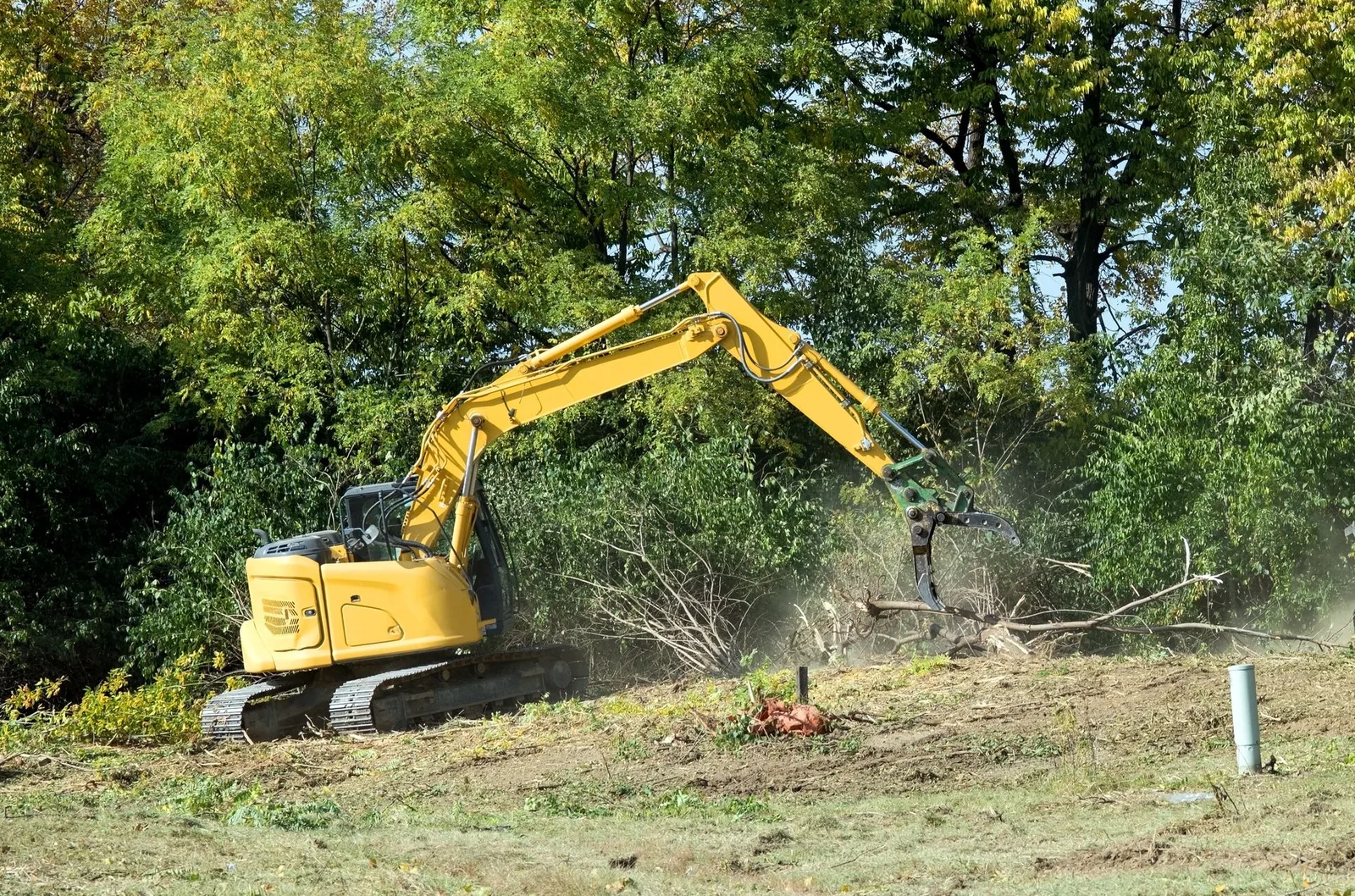
We clear acreage with 50,000 pound excavators and haul the debris to our own dump site. Trees come out with the roots attached.
View Details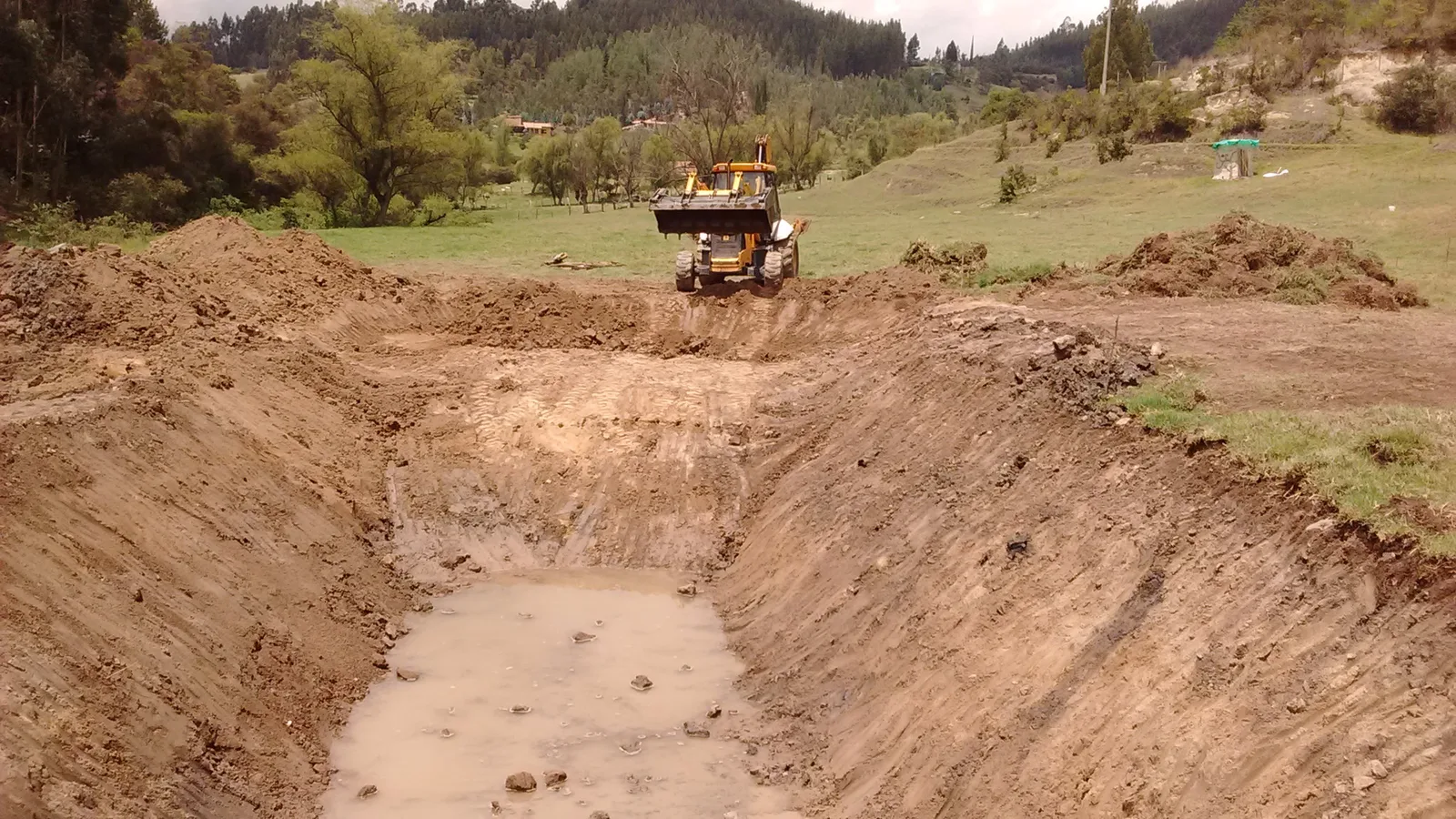
Stock tanks, fishing lakes and dam work on ranch land southwest of Houston. Big excavators, and the dug dirt goes to work on your place or back to our pits.
View Details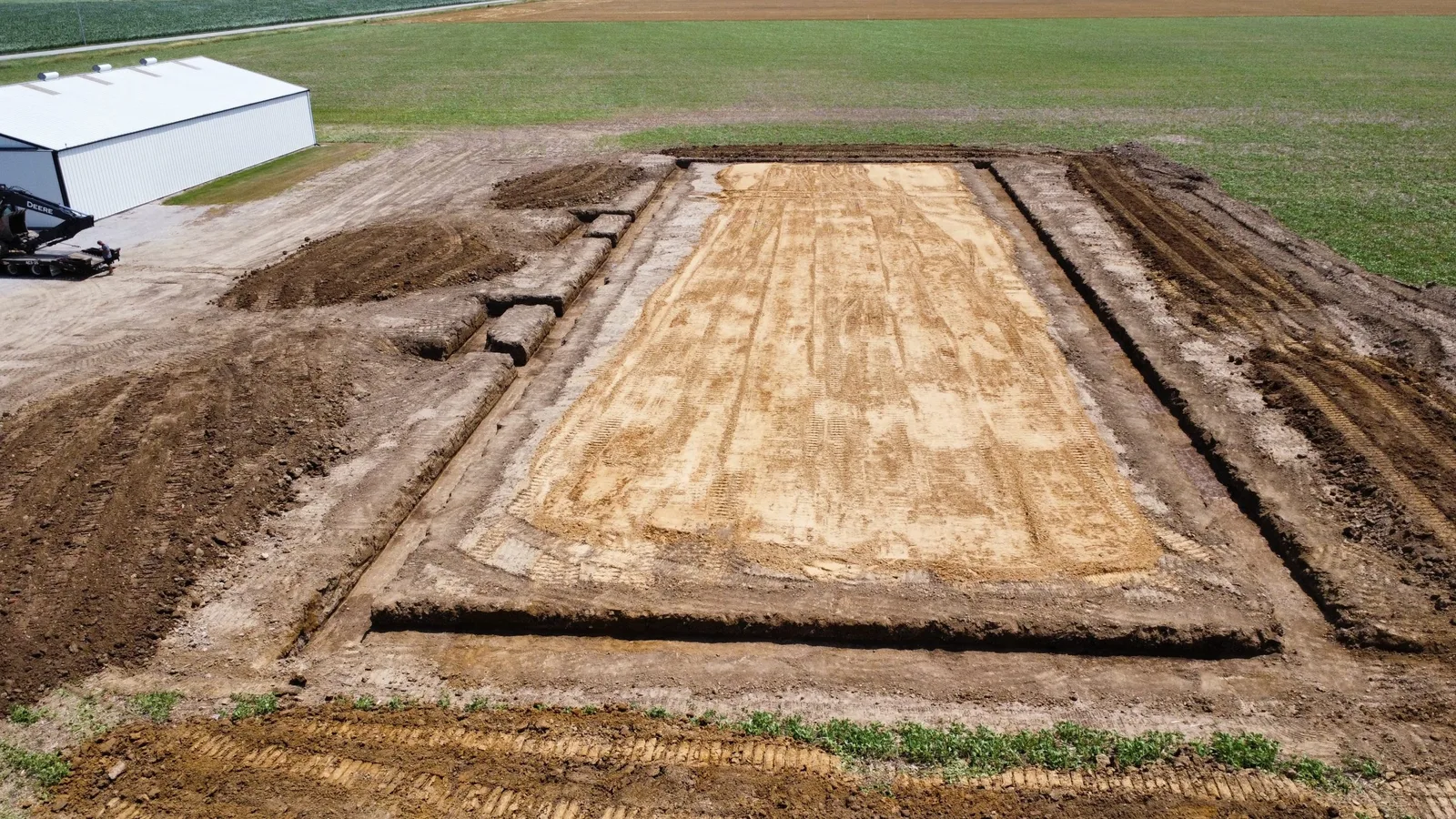
Heavy machine dirt work and grading for acreage, ranches and commercial ground across Fort Bend County. We cut, fill, level and set drainage.
View Details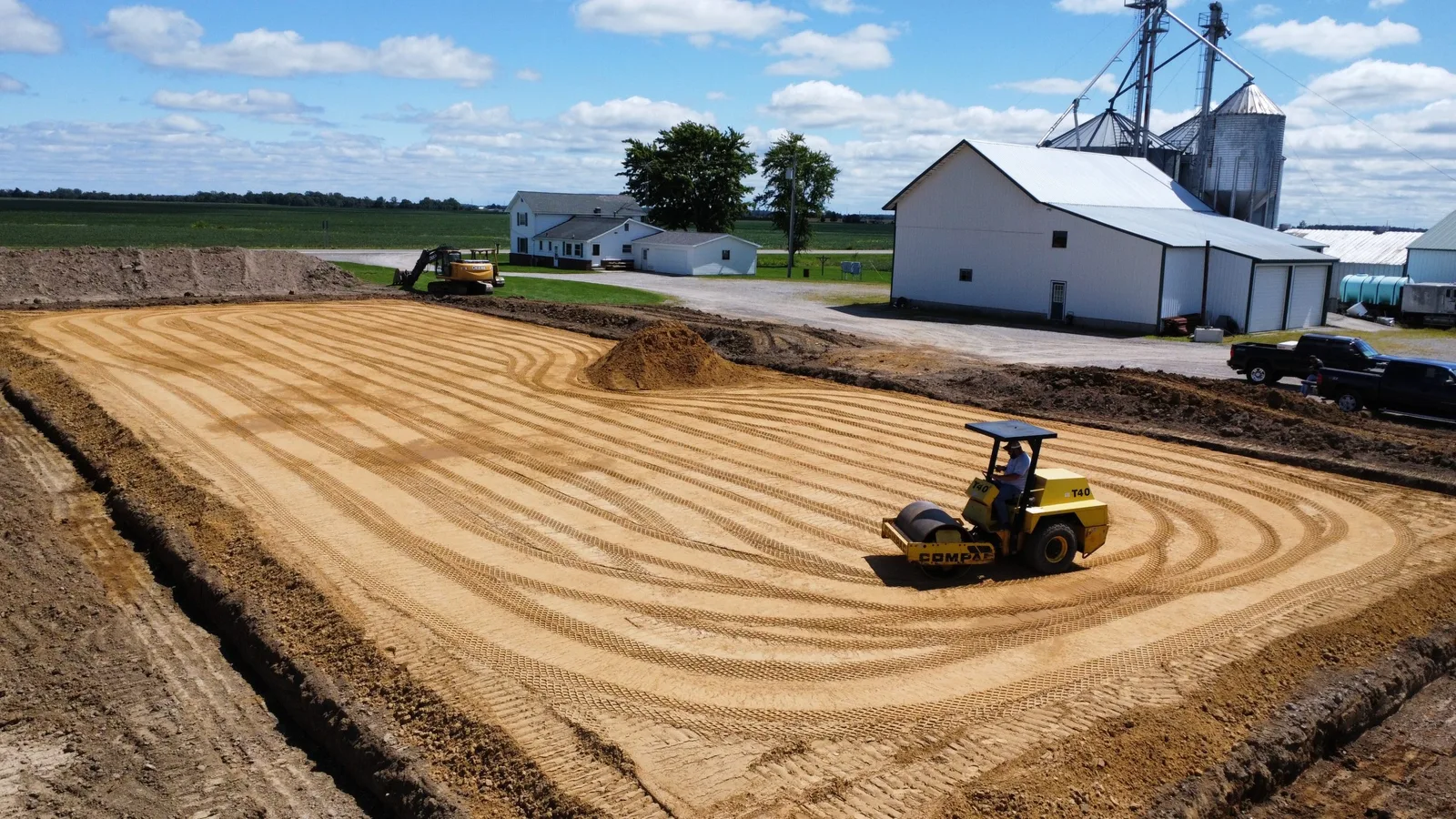
House pads, shop pads and commercial pad sites, built up with select fill from our own pits. We spread and compact in lifts.
View Details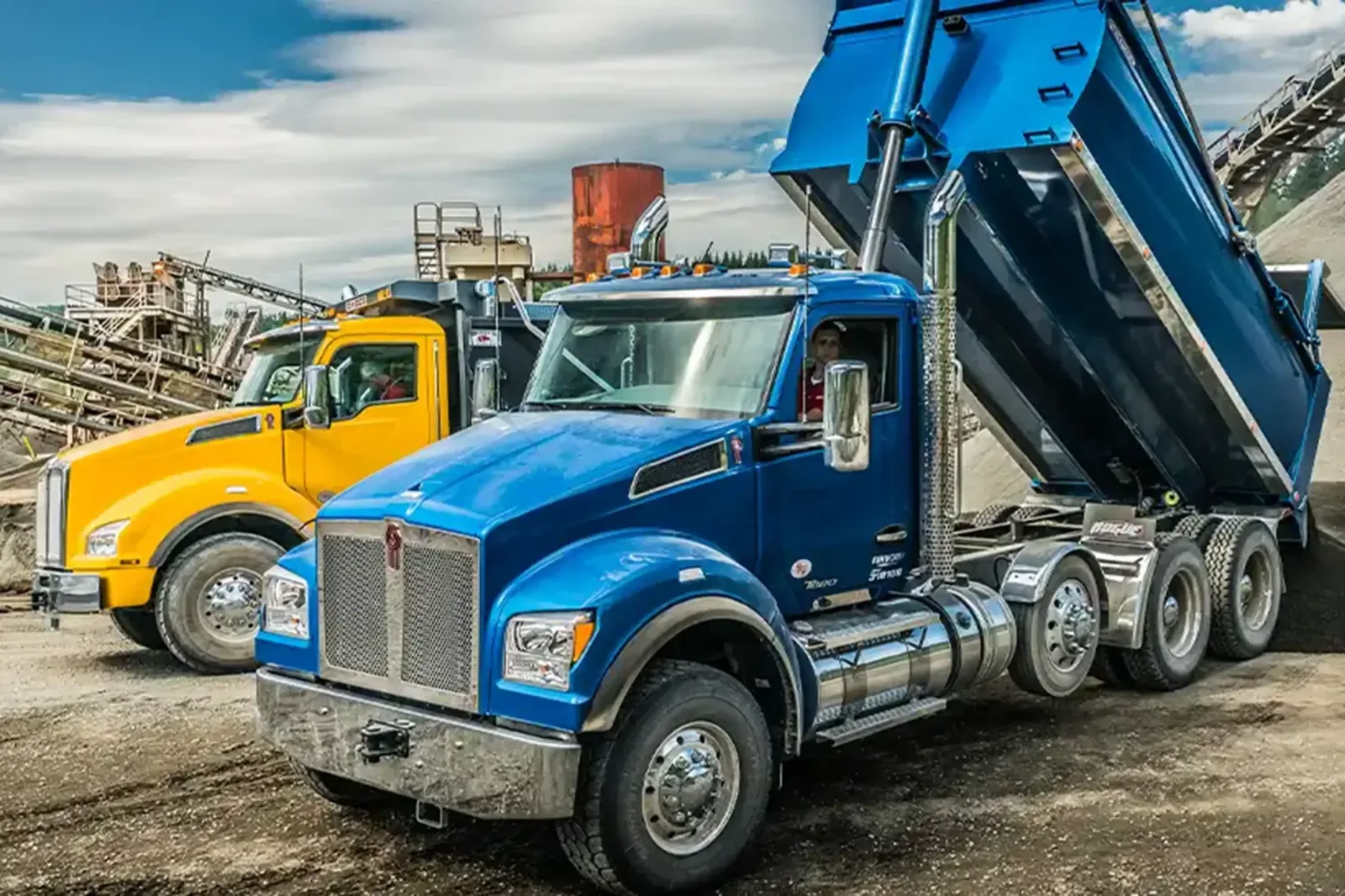
Our own tandem dump trucks handle dirt hauling and material hauling, by the load or by the hundreds of loads. We run Fort Bend County and the counties southwest of Houston.
View DetailsTwo sand and dirt pits in southeast Fort Bend County. Select fill, bank sand and fill dirt come from our own ground, on our own trucks, when your schedule needs them.
Our smallest excavators weigh 50,000 pounds. Ponds, pads, clearing and volume dirt work get machines sized for the job, backed by a fleet of tandem dump trucks.
Hundreds of loads on one project is a normal week here. We run shifts around the clock when a deadline calls for it, and the job is priced from the site, not a phone guess.
Fifteen years working this ground, most of it repeat and referral. We know what the coastal prairie clay does when it rains and what it takes to build on it.
A pond you have been putting off, a pad that needs building, land that needs clearing, or a job that needs truckloads of select fill? Call or send the form. Tell us where the property is and what you want the land to do, and we will set a time to come look at it.
Tell us about your project — we’ll get right back to you.